About Xi'an
Located in the central part of China, Xi'an is the capital of Shaanxi Province and a world-famous historical and cultural city. As the eastern terminal of the ancient Silk Road, it has long been a melting pot of diverse cultures, where Chinese civilization blends with Western influences. With a history spanning more than 3,100 years, Xi'an is home to numerous world cultural heritage sites, including the Terracotta Army, the Ancient City Wall, and the Giant Wild Goose Pagoda. Today, this ancient city seamlessly combines its profound historical heritage with modern vitality, allowing travelers to experience the glory of the past and the prosperity of the present at the same time.
2. Top Must-Visit Attractions
2.1 Terracotta Army
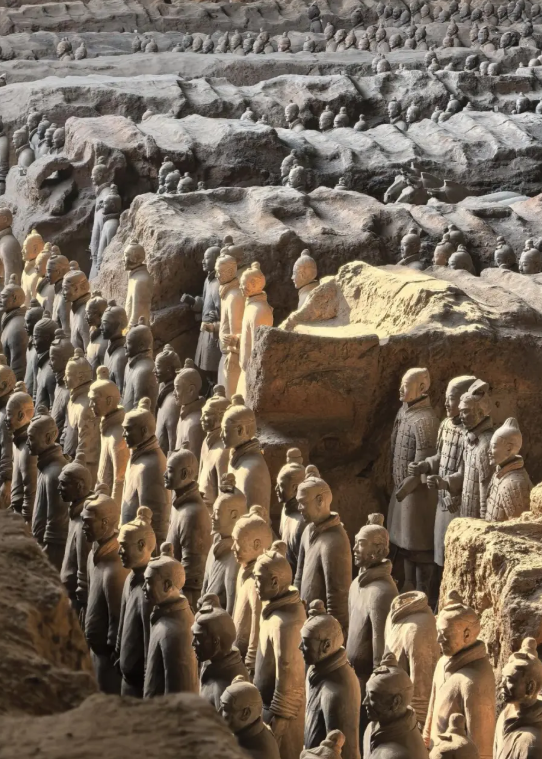
The Terracotta Army, a world cultural heritage site and known as the "Eighth Wonder of the World", is an iconic attraction of Xi'an. Discovered in 1974, it is a large-scale underground military museum built for Emperor Qin Shi Huang, the first emperor of China. The army consists of thousands of life-sized terracotta warriors, horses, and chariots, each with unique facial expressions and postures, vividly showing the grandeur of the Qin Dynasty's military strength. It is recommended to visit in the morning to avoid crowds, and hiring an official guide (about 100 yuan per group) is highly recommended to fully understand the historical background behind these precious relics. The site is open from 8:30 AM to 6:00 PM, and the admission fee is around 120 yuan. It is located in Lintong District, about 40 kilometers from downtown Xi'an, and you can take a special tourist line or high-speed rail to get there easily.
2.2 Xi'an Ancient City Wall
The Xi'an Ancient City Wall is the largest and best-preserved ancient city wall in China, first built in the Ming Dynasty. With a total length of about 13.7 kilometers, it surrounds the central area of Xi'an, with 4 main gates (Yongning Gate, Anding Gate, Anyuan Gate, and Heping Gate) and numerous watchtowers. The most popular activity here is cycling along the wall—you can rent a bicycle (45 yuan for 3 hours) and enjoy the beautiful view of the ancient city while riding. The best time to visit is at dusk or night, when the wall is illuminated by lights, creating a magnificent and romantic scene. Admission is free for the wall itself, and bicycle rental fees are extra. It is open from 8:00 AM to 10:00 PM, and Yongning Gate is the most convenient entrance with the most complete facilities.
2.3 Giant Wild Goose Pagoda & Da Ci'en Temple
The Giant Wild Goose Pagoda, located in Da Ci'en Temple, was built in the Tang Dynasty by the famous monk Xuanzang to store the Buddhist scriptures and relics he brought back from India. It is a typical example of Tang Dynasty architecture, with a height of 64.5 meters and seven stories, standing tall and majestic. You can climb to the top of the pagoda to enjoy a panoramic view of the surrounding area, including the Tang Paradise and Qujiang Pool. The North Square of the Giant Wild Goose Pagoda is famous for its musical fountain show, which starts every evening (7:00 PM and 8:00 PM in summer, 6:30 PM and 7:30 PM in winter) and is a free and spectacular sight. Da Ci'en Temple is open from 8:30 AM to 5:30 PM, and the admission fee is about 40 yuan (including the pagoda).
2.4 Tang Dynasty Never Sleeps City
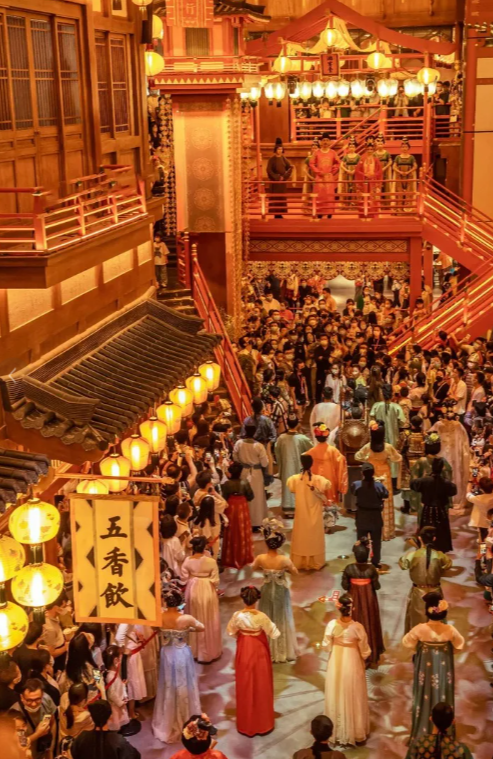
Tang Dynasty Never Sleeps City is an immersive Tang-style pedestrian street located near the Giant Wild Goose Pagoda. With its beautiful Tang Dynasty-style architecture, colorful lights, and various traditional performances (such as the "Tumbler Lady" show and Tang-style song and dance), it perfectly restores the prosperity of Chang'an in the Tang Dynasty. You can wear Hanfu (traditional Chinese clothing) to take photos, taste Tang-style snacks, and watch wonderful performances while walking along the street. The street is open from 10:00 AM to 11:00 PM, and admission is free. It is especially lively at night, making it a must-visit place to experience the Tang Dynasty culture in Xi'an.
2.5 Shaanxi History Museum & Muslim Quarter
Shaanxi History Museum, known as the "Pearl of the Ancient Capital and Treasure House of China", houses more than 370,000 cultural relics, covering a history of over 1 million years. It is a free museum, but you need to book tickets 5 days in advance on the official website (open from 9:00 AM to 6:00 PM, closed on Mondays), with a daily limit of 6,000 tickets. The museum's exhibits include bronzes from the Shang and Zhou dynasties, gold and silverware from the Tang Dynasty, and other national treasures, which fully show the historical context of Shaanxi. Adjacent to the museum is the Muslim Quarter, a bustling commercial and food district with a strong Islamic style. Here you can taste a variety of local snacks, such as Roujiamo (Chinese hamburger), Yangrou Paomo (pita bread soaked in lamb soup), and Liangpi (cold noodles), and buy unique handicrafts. Note that the main street of the Muslim Quarter is relatively expensive; it is recommended to try snacks in side alleys like Dapi Yuan and Sajin Qiao for a more authentic and affordable experience.
3. Authentic Local Cuisine
Xi'an is a paradise for food lovers, with a unique culinary culture shaped by the Silk Road and local traditions. Shaanxi cuisine is characterized by bold flavors, using a lot of wheat-based dishes, cumin, and chili. Here are some must-try local delicacies:
- Roujiamo: Known as the "oldest sandwich in China", it is made of crispy baked buns stuffed with juicy marinated pork or beef, bursting with flavor in every bite.
- Yangrou Paomo: A classic Xi'an dish—you need to tear the pita bread into small pieces, then boil it with lamb soup, served with sweet garlic and chili paste. It is warm and filling, perfect for the cool weather in Xi'an.
- Liangpi: Cold rice noodles sliced thin, tossed with fragrant chili oil, vinegar, and other seasonings, refreshing and spicy, ideal for summer.
- Biangbiang Noodles: Hand-pulled wide noodles, served with chili oil, garlic, and other condiments, with a strong and spicy flavor. The character "Biang" is one of the most complex Chinese characters, making it a unique cultural symbol of Xi'an.
- Qishan Saozi Noodles: Sour and spicy noodles with a rich sauce, made of minced pork, tofu, and other ingredients, with a distinctive taste that leaves a lasting impression. For the best experience, try local restaurants like Drunk on Chang'an and Xi'an Restaurant, which serve authentic Shaanxi cuisine.
4. Transportation Guide
- Airport: Xi'an Xianyang International Airport is about 40 kilometers from downtown Xi'an. You can take Metro Line 14 directly to the city center (about 1 hour) or take an airport shuttle bus or taxi.
- High-speed Rail/Train: Xi'an North Railway Station is connected to Metro Line 2, which can reach the ancient city center in about 30 minutes. Xi'an Railway Station is closer to the city center, with convenient transportation to major attractions.
- Urban Transportation: The metro system covers 90% of the main attractions, with Line 2 directly connecting the Bell Tower and Giant Wild Goose Pagoda. You can apply for an "Xi'an Electronic Metro Card" on Alipay for easy travel. Buses cost 2 yuan per ride, and taxis are convenient but avoid the Bell Tower and Xiaozhai business districts during evening rush hours (5:00 PM to 7:00 PM) to avoid traffic jams. Bicycles are also a good choice for traveling around the city center and the Ancient City Wall (5 yuan per hour).
5. Recommended Accommodation
Choosing the right accommodation area can greatly improve your travel experience. Here are the most recommended areas:
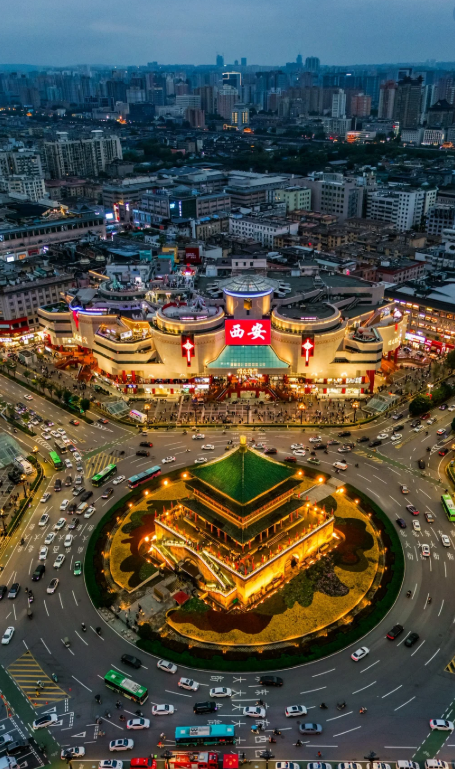
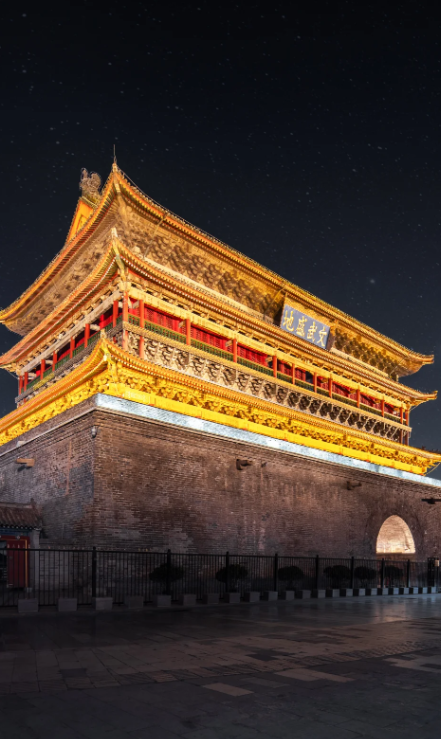
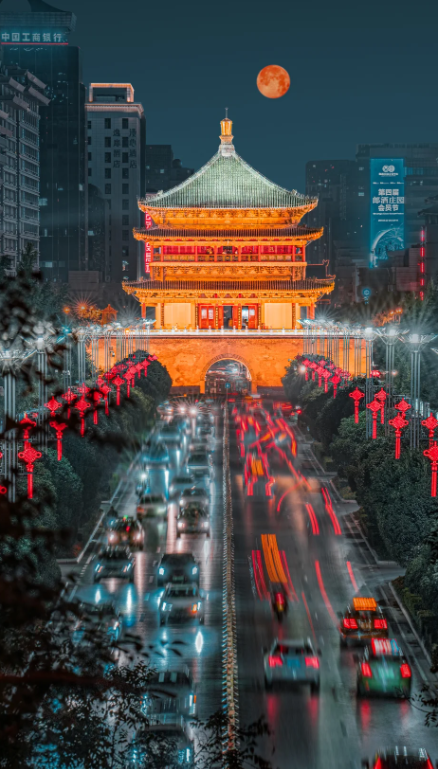
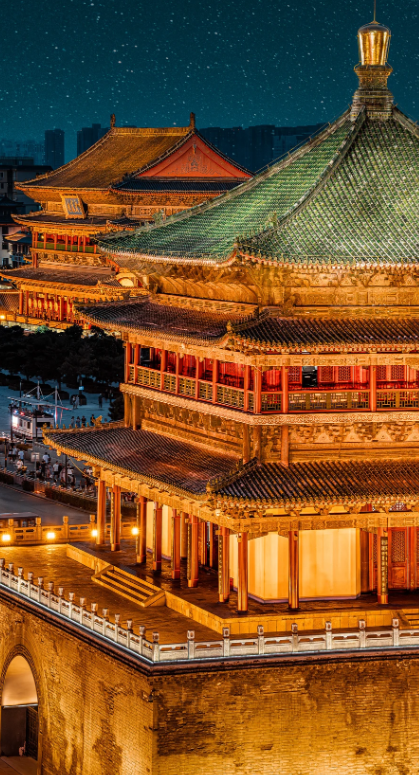
- Bell Tower Area: The geographical center of Xi'an, within walking distance to the Bell Tower, Drum Tower, and Muslim Quarter. It is surrounded by mature commercial districts, with convenient transportation and a wide range of hotels, from luxury to budget options. It is perfect for travelers who want to experience the city's night view and food culture.
- Giant Wild Goose Pagoda Area: Close to the Giant Wild Goose Pagoda, Tang Dynasty Never Sleeps City, and Shaanxi History Museum. The environment is quiet and beautiful, with many boutique hotels and resorts, suitable for travelers who focus on cultural and historical attractions.
- Ancient City Wall Area: Near Yongning Gate, with a strong ancient city atmosphere. There are many traditional courtyard hotels and inns, allowing you to experience the charm of the ancient city up close. It is convenient for cycling on the city wall and visiting nearby attractions like the Forest of Steles Museum.
6. Essential Travel Tips
1. Ticket Reservation: Book tickets 3-7 days in advance for popular attractions such as the Terracotta Army, Shaanxi History Museum, and the live performance "Song of Everlasting Sorrow" at Huaqing Palace. The "Song of Everlasting Sorrow" is not performed on Mondays and Tuesdays, so avoid these days to prevent disappointment. Xi'an Museum (Small Wild Goose Pagoda) and the Ancient City Wall are free but require reservation or registration.
2. Clothing Preparation: Xi'an has a continental climate with large temperature differences between day and night. Bring warm clothes even in spring and autumn. For outdoor performances like "Song of Everlasting Sorrow", prepare a thin coat according to the weather. Comfortable walking shoes are a must, as you will walk a lot every day to visit attractions.
3. Cultural Etiquette: When visiting temples and cultural relic sites, dress modestly and avoid making loud noises. When eating in Muslim restaurants, respect Islamic customs and do not bring pork or alcohol.
4. Local Tips: Do not hire unofficial guides at the Terracotta Army to avoid being scammed. When eating Yangrou Paomo, tear the bread into soybean-sized pieces for the best flavor. Fresh pomegranate juice is a popular local drink—try it in the Muslim Quarter for a refreshing taste.





 简体中文
简体中文  繁體中文
繁體中文  にほん/にっぽん
  한국어
한국어  Russian
  Arabic