
logo
My Bookings
Call Us
Carefully designed private and small group travel routes in Beijing, all inclusive vacation packages, exploring the imperial capital
changsha Group Travel
Group TravelGroup TravelGroup TravelGroup TravelGroup Travel
changsha Customized Travel
Customized TravelCustomized TravelCustomized TravelCustomized TravelCustomized TravelCustomized TravelCustomized Travel
changsha Popular attractions
Popular attractionsPopular attractionsPopular attractionsPopular attractionsPopular attractionsPopular attractionsPopular attractions
Trip Planning FAQs
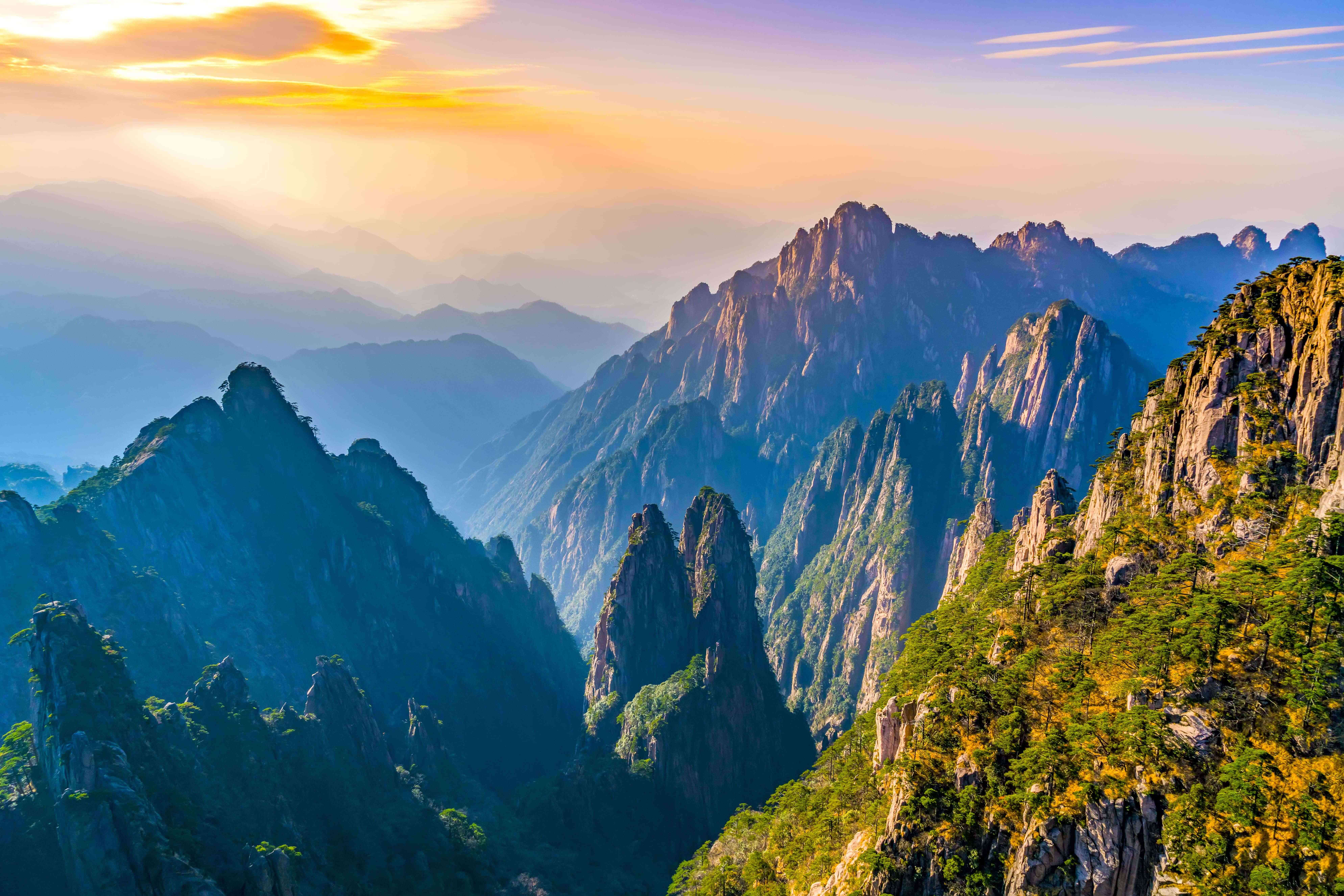
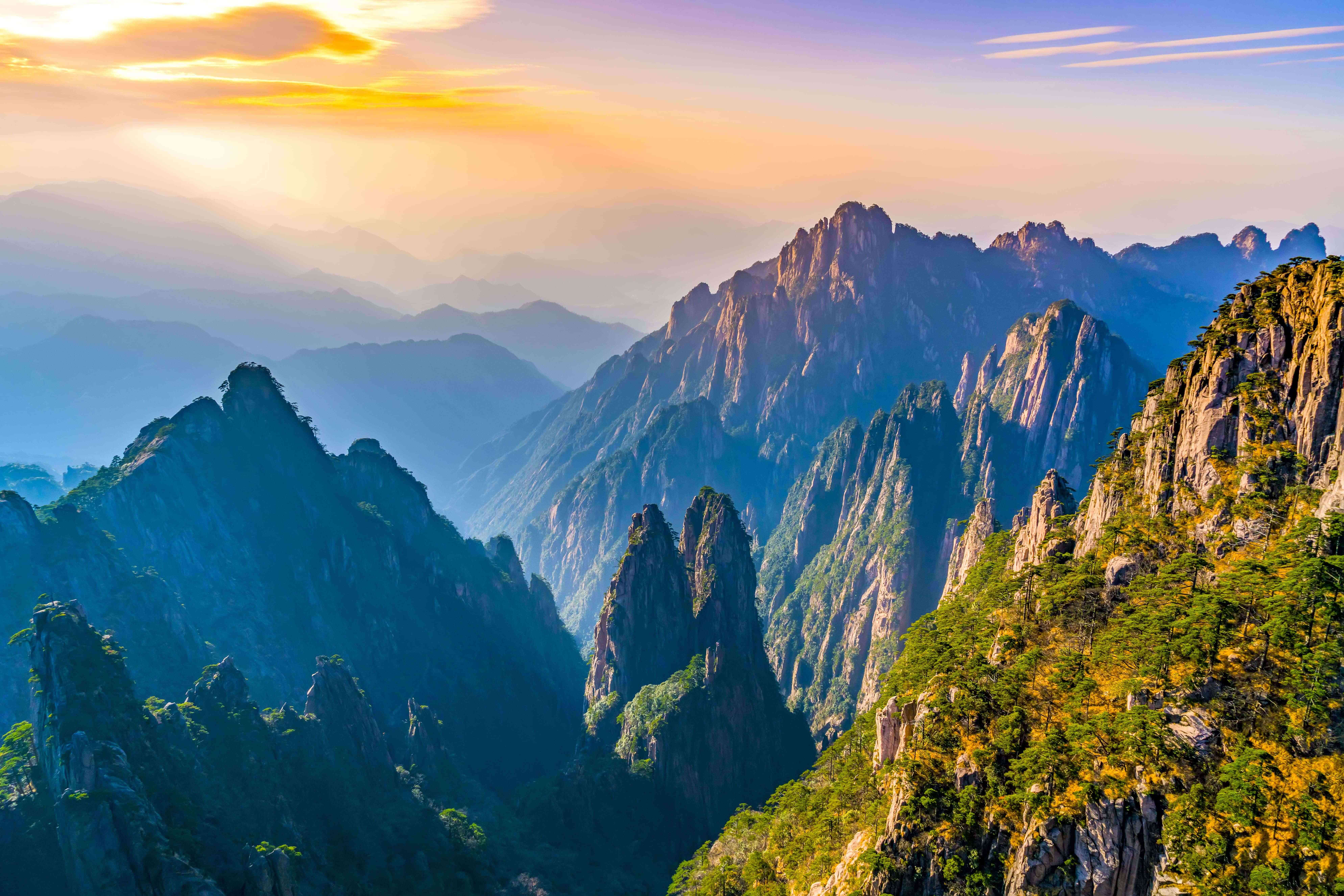
I enjoy hiking and appreciate great scenery at the same time—where can I go for that?
If you enjoy hiking while taking in stunning scenery, China—and especially the Beijing area and beyond—offers many fantastic destinations. Here are some top recommendations:

1. Mutianyu Great Wall (Beijing)

  • Less crowded than Badaling, with steep but rewarding trails.

  • Lush greenery in summer, golden hues in autumn, and snow-covered serenity in winter.

  • Panoramic views of mountains and forested valleys.

2. Jinshanling–Simatai Great Wall (Hebei, near Beijing)

  • A more rugged and authentic section perfect for serious hikers.

  • Offers dramatic elevation changes and breathtaking vistas, especially at sunrise or sunset.

  • The Simatai section even has night tours with atmospheric lighting.

3. Mount Xiangshan (Fragrant Hills Park, Beijing)

  • Ideal for a half-day hike with beautiful views over Beijing.

  • Famous for its fiery red autumn leaves (best in late October).

  • Well-maintained paths with temples and pavilions along the way.

4. Baihua Mountain (Beijing)

  • One of Beijing’s highest peaks (1,991 m / 6,532 ft), great for nature lovers.

  • Features alpine meadows, wildflowers in summer, and clear mountain air.

  • Less touristy—perfect for peaceful trekking.

5. Mount Hua (Huashan, Shaanxi Province)

  • One of China’s Five Great Mountains, famous for its thrilling cliffside trails (like the Plank Walk).

  • Breathtaking granite peaks, sunrise views from the East Peak, and Taoist temples.

  • Best for experienced hikers seeking adventure.

6. Zhangjiajie National Forest Park (Hunan Province)

  • Otherworldly sandstone pillars that inspired the floating mountains in Avatar.

  • Extensive trail network with glass bridges, cable cars, and panoramic viewpoints.

  • Combine hiking with surreal natural beauty.

7. Tiger Leaping Gorge (Yunnan Province)

  • One of the deepest gorges in the world, nestled between Jade Dragon Snow Mountain and Haba Snow Mountain.

  • A classic 2-day trek with jaw-dropping river-and-peak scenery.

  • Popular among international backpackers.

✅ Tips:
  • Always check weather conditions before heading out.

  • Bring proper hiking shoes, water, and layers—mountain weather can change quickly.

  • For remote areas like Huashan or Tiger Leaping Gorge, consider hiring a local guide or joining a small group tour for safety and logistics.

Whether you prefer historic trails on ancient walls or wild mountain paths through clouds and forests, China has incredible hikes that combine physical challenge with unforgettable views!
Besides the Great Wall, what other attractions are worth visiting in Beijing?
Absolutely! Beijing is packed with incredible attractions beyond the Great Wall. Here are some must-visit places:
  1. The Forbidden City (Palace Museum)
    A magnificent imperial palace complex from the Ming and Qing dynasties, located right in the heart of Beijing. It’s one of the largest and best-preserved ancient wooden structures in the world.
  2. Tiananmen Square
    One of the world’s largest public squares, surrounded by significant landmarks like the Monument to the People’s Heroes, the Great Hall of the People, and the National Museum of China.
  3. Temple of Heaven (Tiantan Park)
    A stunning example of Ming dynasty architecture where emperors once prayed for good harvests. Locals gather here for tai chi, dancing, and traditional games.
  4. Summer Palace (Yiheyuan)
    A beautiful imperial garden featuring Kunming Lake, Longevity Hill, and elegant pavilions—perfect for a relaxing stroll or boat ride.
  5. 798 Art Zone
    A vibrant contemporary art district housed in repurposed factory buildings, filled with galleries, cafes, design shops, and street art.
  6. Hutongs (Traditional Alleyways)
    Explore historic neighborhoods like Nanluoguxiang or Yandaixie Street by foot, bike, or rickshaw to experience old Beijing life, courtyard homes (siheyuan), and local snacks.
  7. Beihai Park
    One of China’s oldest and most well-preserved imperial gardens, centered around a serene lake with the iconic White Dagoba on Jade Flower Island.
  8. National Centre for the Performing Arts (The “Giant Egg”)
    A striking modern architectural landmark offering world-class opera, ballet, and concerts.
  9. Olympic Green & Bird’s Nest Stadium
    Visit the iconic venues from the 2008 Olympics—the Bird’s Nest (National Stadium) and the Water Cube (now an indoor water park and event space).
  10. Lama Temple (Yonghe Temple)
    A grand Tibetan Buddhist monastery with impressive halls, giant Buddha statues, and a peaceful atmosphere.
✅ Bonus Tip: Try authentic Beijing cuisine like Peking duck, zhajiangmian (noodles with soybean paste), and donkey burgers (if you're adventurous!) while exploring these sites.
With its mix of imperial history, cultural depth, and modern energy, Beijing offers far more than just the Great Wall!


How many days would I need for an itinerary that includes both the Chengdu pandas and the Great Wall in Beijing?
A trip that includes both the Chengdu Giant Panda Base and the Great Wall in Beijing typically requires at least 4 to 5 days to be comfortable and enjoyable.
Here’s a suggested breakdown:
  • Day 1: Arrive in Chengdu → Visit the Chengdu Research Base of Giant Panda Breeding (best in the morning when pandas are active).

  • Day 2: Explore more of Chengdu (optional: Leshan Giant Buddha or Qingcheng Mountain) → Fly to Beijing in the evening.

  • Day 3: Full-day visit to the Great Wall (e.g., Mutianyu or Badaling) + return to city.

  • Day 4: Explore Beijing highlights (Forbidden City, Tiananmen Square, Temple of Heaven, etc.).

  • Day 5: Departure or additional sightseeing.

If you’re short on time, it’s possible to do it in 3 full days with efficient flights (e.g., morning flight from Chengdu to Beijing), but 4–5 days allows for a more relaxed pace, better photo opportunities, and deeper cultural experiences.
✅ Tip: Book domestic flights between Chengdu and Beijing in advance—flight time is about 2.5 hours. Also, check panda feeding times (usually early morning) and avoid weekends at the Great Wall to dodge crowds.


I’d like to visit Beijing during Chinese New Year—can I hike the Great Wall and enjoy the scenery during this season?
Yes, you can visit and hike the Great Wall during Chinese New Year, but there are a few things to consider:
1. Weather:
Chinese New Year usually falls in late January or February, which is winter in Beijing. Temperatures often range from -5°C to 5°C (23°F to 41°F), and it can be windy, especially on the Great Wall, which sits at higher elevations. While the snow-dusted Wall offers stunning, picturesque views, trails may be slippery or icy, so wear sturdy, non-slip footwear and dress warmly in layers.
2. Crowds:
Chinese New Year is a major public holiday, so popular sections like Badaling can get very crowded with domestic tourists. If you prefer a quieter experience, consider less commercialized sections such as Mutianyu, Jinshanling, or Simatai.
3. Accessibility & Opening Hours:
Most major Great Wall sections remain open during the holiday, but some facilities (like cable cars or shops) might have reduced hours. It’s wise to check official websites or contact your hotel/tour operator in advance.
4. Scenery:
Winter offers clear skies and dramatic views—especially if it has recently snowed. The contrast of the ancient stone wall against white snow and blue skies is breathtaking and perfect for photography.
✅ Tip: Book transportation and tickets ahead of time, and consider hiring a guide or joining a small-group tour for convenience and safety during the holiday period.
So yes—it’s absolutely possible and even beautiful to visit the Great Wall during Chinese New Year, as long as you’re prepared for the cold and crowds!


Which airport should I fly into to visit the Forbidden City in Beijing?
To visit the Forbidden City in Beijing, it's best to fly into Beijing Capital International Airport (PEK), as it’s the closest and most convenient option.
  • Capital Airport is located about 25–30 km from the Forbidden City, with a typical travel time of 40–60 minutes, depending on traffic.

  • From the airport, you can:

    • Take the Airport Express train to Dongzhimen, transfer to Subway Line 2, then switch to Line 1 at Jianguomen and get off at Tiananmen East or Tiananmen West—both are within walking distance of the Forbidden City entrance (Meridian Gate).

    • Take a taxi or ride-hailing service directly to the Meridian Gate; the fare is approximately ¥80–120.

    • Use an airport shuttle bus to central Beijing, then transfer to the subway or walk.

By comparison, Beijing Daxing International Airport (PKX) is farther—about 40–50 km away—and usually takes over 1.5 hours to reach the city center, so it’s less convenient unless your flight only arrives there.
✅ Tip: Regardless of which airport you use, remember that the Forbidden City requires advance online reservation with real-name registration, and entry is only through the Meridian Gate (Wumen). Plan your transport and tickets ahead of time!


View more
Official Social Media Accounts